
Coping With Community Trauma: Reflections on the Loss of Renee Nicole Good
- Antoinette Goosby
- Jan 8
- 5 min read

The news hit like a punch to the chest. Renee Nicole Good, mother, poet, legal observer, was killed by ICE agents in Minneapolis. As communities across the country process this tragedy, many of us are feeling something deeper than individual grief. This is community trauma, and it's affecting all of us in ways we might not fully understand yet.
If you're reading this and feeling overwhelmed, angry, or disconnected from the world around you, you're not alone. What happened to Renee has rippled through communities nationwide, and your emotional response, whatever it looks like, is valid.
What Is Community Trauma?
Community trauma happens when an event affects not just individuals, but entire groups of people who share geography, identity, or values. Unlike personal trauma, which impacts one person directly, community trauma spreads through collective consciousness. You might not have known Renee personally, but her death as a mother, activist, and community member touches something universal in all of us.
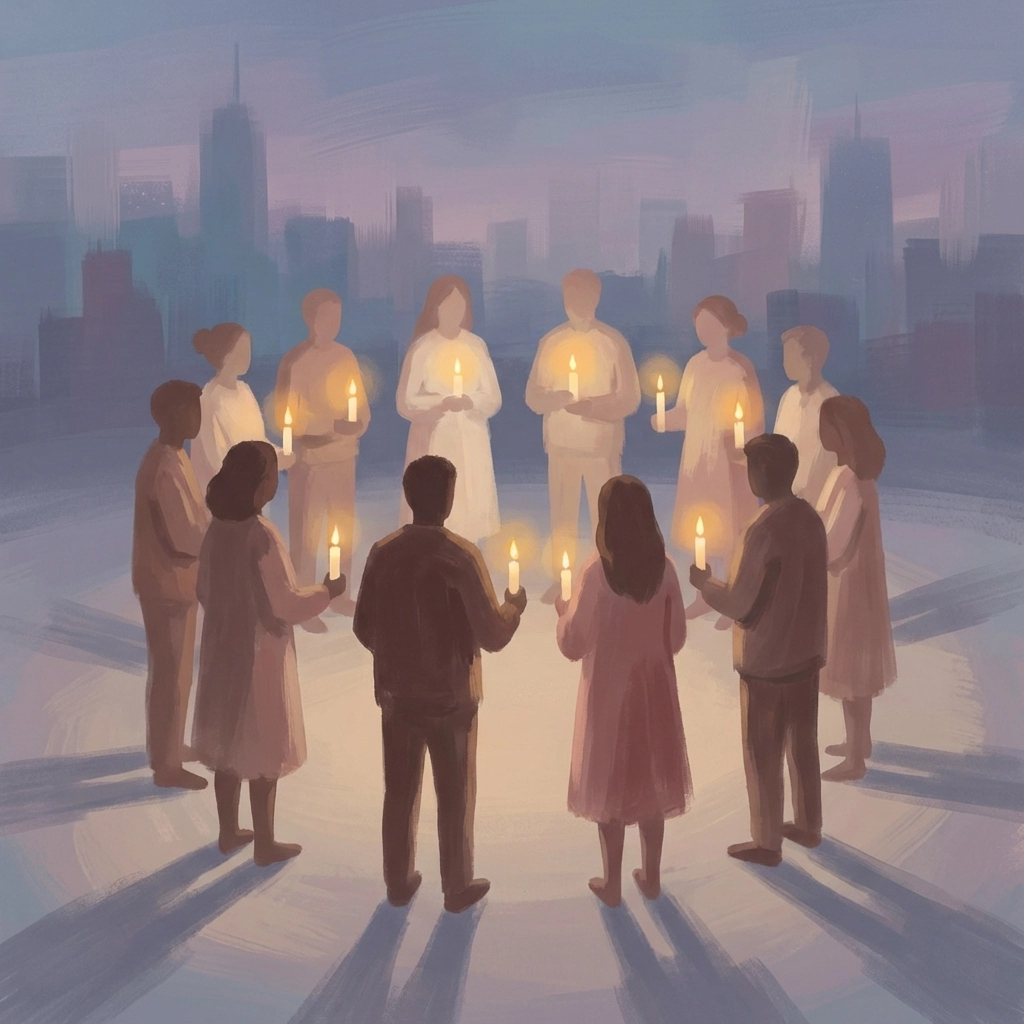
The vigils that spontaneously emerged across the Midwest and spread to cities like Chicago, New York, and Atlanta weren't just memorials, they were expressions of collective grief. When thousands of people gather with flowers, candles, and signs reading messages of solidarity, they're processing shared pain together.
The Physical and Emotional Toll You Might Be Experiencing
Community trauma doesn't stay locked in our minds. It shows up in our bodies, our relationships, and our daily functioning. You might notice:
Physical symptoms like tightness in your chest, difficulty sleeping, changes in appetite, or feeling constantly on edge. Your nervous system is responding to a perceived threat to your community's safety.
Emotional overwhelm that ranges from numbness to rage to profound sadness, sometimes all in the same day. Many people report feeling like they're cycling through emotions without warning.
Hypervigilance about news updates, social media, or conversations about immigration and law enforcement. Your brain is trying to protect you by staying alert to potential dangers.
Disconnection from people who "don't get it" or seem unaffected by what's happened. This isolation can feel particularly acute for young adults who are already navigating complex social dynamics.
These responses are normal. Your body and mind are doing exactly what they're designed to do when your community experiences a collective threat.
Moving Through Grief and Anger, Not Around It
One of the most powerful aspects of the community response to Renee's death has been the refusal to suppress difficult emotions. As organizers have said, "the task isn't to extinguish anger, but to channel it in defense of life." This wisdom applies to all of us processing this trauma.
You don't have to "get over" your anger or grief on anyone else's timeline. You don't have to minimize your feelings because you didn't know Renee personally. Community trauma is real trauma, and it deserves your attention and care.
Honoring Your Anger
Anger, when it shows up in response to injustice, isn't something to fix, it's information. It's telling you that something fundamentally wrong has happened. The key is learning how to hold this anger without letting it consume you or turn inward on yourself.
Sitting With Grief
Grief for someone you didn't know personally can feel confusing. You might question whether you have the "right" to feel this way. You do. Grief for community members, for what their loss represents, and for the world you hoped to live in is completely valid.
Holistic Coping Strategies That Actually Work
As someone training in dance movement therapy and working in holistic psychiatry, I've seen how trauma gets stored not just in our minds, but in our entire beings. Here are evidence-based approaches that address the whole person:
Grounding Techniques for Overwhelming Moments
When news updates or conversations trigger that fight-or-flight response, try the 5-4-3-2-1 technique:
5 things you can see
4 things you can touch
3 things you can hear
2 things you can smell
1 thing you can taste
This isn't about dismissing your emotions, it's about bringing your nervous system back to the present moment so you can process them more effectively.
Movement as Medicine
Your body holds trauma, and sometimes talking isn't enough to release it. Movement therapy recognizes that healing happens through the body, not just the mind.
Simple movements that help:
Gentle swaying or rocking while sitting
Intentional walking, focusing on the sensation of your feet touching the ground
Shoulder rolls and neck stretches to release tension
Dancing to music that matches your emotional state (yes, angry music is allowed)
The goal isn't to feel better immediately: it's to help your body process what it's holding.
Breathing That Doesn't Feel Forced
Traditional "just breathe" advice can feel invalidating when you're processing trauma. Instead, try breath awareness without trying to change anything. Notice where your breath naturally goes. Does it feel shallow? Stuck in your chest? That's information, not something to fix right away.
When you're ready, try extending your exhales slightly longer than your inhales. This activates your parasympathetic nervous system: your body's natural calming mechanism.
The Power of Community Connection
The vigils and artistic responses emerging across the country aren't just expressions of grief: they're acts of healing. When trauma happens to the community, healing often happens in community too.
Finding Your People
You might find comfort in:
Attending local vigils or community gatherings
Engaging in artistic expression (even if you don't consider yourself "artistic")
Volunteering with organizations that align with your values
Having honest conversations with friends and family about how this is affecting you
Supporting Others While Protecting Your Own Energy
It's possible to show up for community healing while maintaining your own mental health boundaries. You don't have to attend every vigil, share every post, or carry everyone else's emotions to be a good community member.
When Community Support Isn't Enough
Sometimes collective trauma requires individual professional support. This is especially true if you're noticing:
Sleep disruption that lasts more than a few days
Difficulty concentrating on work, school, or daily tasks
Increased substance use or other numbing behaviors
Intrusive thoughts or images related to the incident
Feeling disconnected from people you usually feel close to
A holistic psychiatric nurse practitioner (PMHNP) can help you process community trauma using approaches that address your whole person: not just symptoms. This might include integrating movement therapy with traditional psychiatric care, exploring how your cultural background affects your trauma response, or developing coping strategies that honor both your individual needs and your connection to community.
Creating Meaning From Pain
Renee Nicole Good was more than the circumstances of her death. She was a poet, a mother to a six-year-old son, and someone who showed up as a legal observer because she believed in justice. The artistic expressions emerging in her memory: the sky-blue butterfly symbols, the protest signs with dark humor, the portraits that capture her humanity: are all ways communities are creating meaning from devastating loss.
This meaning-making isn't about finding silver linings or toxic positivity. It's about ensuring that her life and death contribute to something larger than the trauma itself.
Moving Forward Without Moving On
Healing from community trauma doesn't mean forgetting or "getting over it." It means learning to carry what happened in a way that doesn't destroy you. It means finding ways to honor both your grief and your capacity for joy. It means staying connected to your community while protecting your own mental health.
The communities responding to Renee's death with the cry "You can't kill us all" aren't expressing bravado: they're declaring their refusal to be broken by trauma. That same resilience lives in you.
If you're struggling with the weight of what's happening in our world, know that seeking support isn't a sign of weakness: it's an act of community care. When you take care of your own mental health, you're better able to show up for the healing our communities need.
Your feelings matter. Your wellbeing matters. And your healing contributes to all of our healing.
If you're in Maryland and looking for holistic psychiatric support that honors your whole person and your connection to community, I'm here to help. Community trauma deserves community-minded care.
Comments