
The Power of the Performance: What Somatic Therapy and Grammy Stage Presence Have in Common
- Antoinette Goosby
- 3 days ago
- 5 min read

So tonight's the night. The Grammys are happening, and whether you're watching for the performances, the fashion, or just to see who actually wins Album of the Year this time, there's something magnetic about it all. You can't look away when someone takes that stage and owns it.
But have you ever stopped to think about what's actually happening in those moments? What makes certain performers feel like they're pulling you right into their world, while others just... don't hit the same?
It's not just talent. It's not just the choreography or the vocals (though those help). It's something way more primal, and it's the same thing we talk about in somatic and dance movement therapy.
What "Stage Presence" Actually Is (Hint: It's About the Body)
When you watch someone like Beyoncé, Bad Bunny, or SZA command a stage, you're witnessing someone who is fully in their body. Not just moving through choreography, but inhabiting every gesture, every breath, every shift in weight.
That's stage presence. And it's the exact same principle we work with in somatic therapy, just with better lighting and a way bigger audience.
Being "in your body" means you're not stuck in your head, overthinking every move. You're grounded. You're present. You're letting your nervous system guide you instead of white-knuckling your way through a performance (or a day, or a conversation, or a tough moment).

Grammy performers spend hours, sometimes years, training their bodies to move with intention, to breathe through nerves, to channel anxiety into energy. That's not just "performing." That's nervous system regulation in real time.
And here's the thing: you don't need a stage to practice it.
The Somatic Connection: Flow States and Nervous System Magic
In somatic therapy, we talk a lot about something called a "flow state." It's that feeling when you're so present in what you're doing that time kind of disappears. Athletes experience it. Dancers experience it. Writers, artists, even people cooking dinner sometimes hit it.
Research shows that somatic practices, like the kind of body-centered awareness Grammy performers use, actually help people access flow states more easily. When you're connected to your body, you're not fighting yourself. You're not second-guessing. You're just... there.
This happens because somatic work regulates your nervous system. It calms down the part of your brain that's constantly scanning for danger (hello, anxiety) and lets you drop into the moment. For performers, that means less stage fright and more authentic expression. For the rest of us? It means less spiraling and more presence in our daily lives.
Think about the last time you watched a Grammy performance that gave you chills. The artist wasn't just singing, they were feeling every word. Their body was telling the story as much as their voice was. That's what happens when your nervous system is regulated enough to let you actually feel instead of just perform.
Mirror Neurons: Why Watching Other People Move Actually Affects You
Here's where it gets really cool (and kind of nerdy, but stick with me).
Your brain has these things called mirror neurons. Basically, when you watch someone else do something, especially something physical or emotional, your brain lights up in the same areas as if you were doing it.
So when you're watching someone absolutely crush a performance at the Grammys tonight, your mirror neurons are firing. Your body is subtly mimicking their movements, their energy, their emotional state. You're not just watching, you're experiencing it on a neurological level.
This is why watching a powerful performance can feel like a release. It's why you might cry during a ballad even though it's not your breakup. It's why a high-energy dance number makes you want to move, too.

And this is also why movement is so contagious. In dance movement therapy, we use this all the time. When someone in a group starts to move with more openness, more ease, more groundedness, other people naturally start to match it. The nervous systems in the room begin to co-regulate.
Watching the Grammys tonight? You're not just passive. Your body is picking up on the performers' energy, their breath patterns, their confidence. If they're grounded and present, you feel a little more grounded too. If they're frantic and disconnected, you might feel that tension in your own chest.
That's the power of embodied performance. And it's why the arts aren't just entertainment, they're actually medicine.
You Don't Need a Spotlight to Practice "Stage Presence"
Okay, so most of us aren't performing at the Grammys tonight (or ever). But the principles that make someone magnetic on stage? Those are accessible to all of us.
Being "in your body" in daily life looks like:
Noticing your breath. Grammy performers are obsessed with breath control. But you don't need to hit a high note, just noticing whether you're holding your breath during a stressful email or a tough conversation can change everything. Breath is the fastest way to tell your nervous system "we're okay."
Moving with intention. You don't need choreography. Just walk to class, to your car, to the kitchen, and actually feel your feet on the ground. Notice the swing of your arms. Let your body move the way it wants to move instead of rushing through on autopilot.
Letting yourself take up space. This is a big one. Performers take up space unapologetically. They use the whole stage. In somatic therapy, we work on helping people reclaim their right to take up space in their own bodies, in rooms, in relationships. You're allowed to exist fully.
Shaking it out when you need to. Ever notice how performers jump around, shake their limbs, roll their shoulders before they go on stage? That's not just hype, it's nervous system release. You can do the same thing before a presentation, a date, a difficult conversation. It works.
The goal isn't to perform your life. It's to live in your body instead of just dragging it around with you.
The "Medicine" of Movement and Performance
The Recording Academy president said this year's Grammys are supposed to be "a dose of healing" for the country right now. And honestly? That's not just marketing talk.
Music and movement have always been how humans process the hard stuff. Grief, joy, rage, hope, we move through it. Literally.
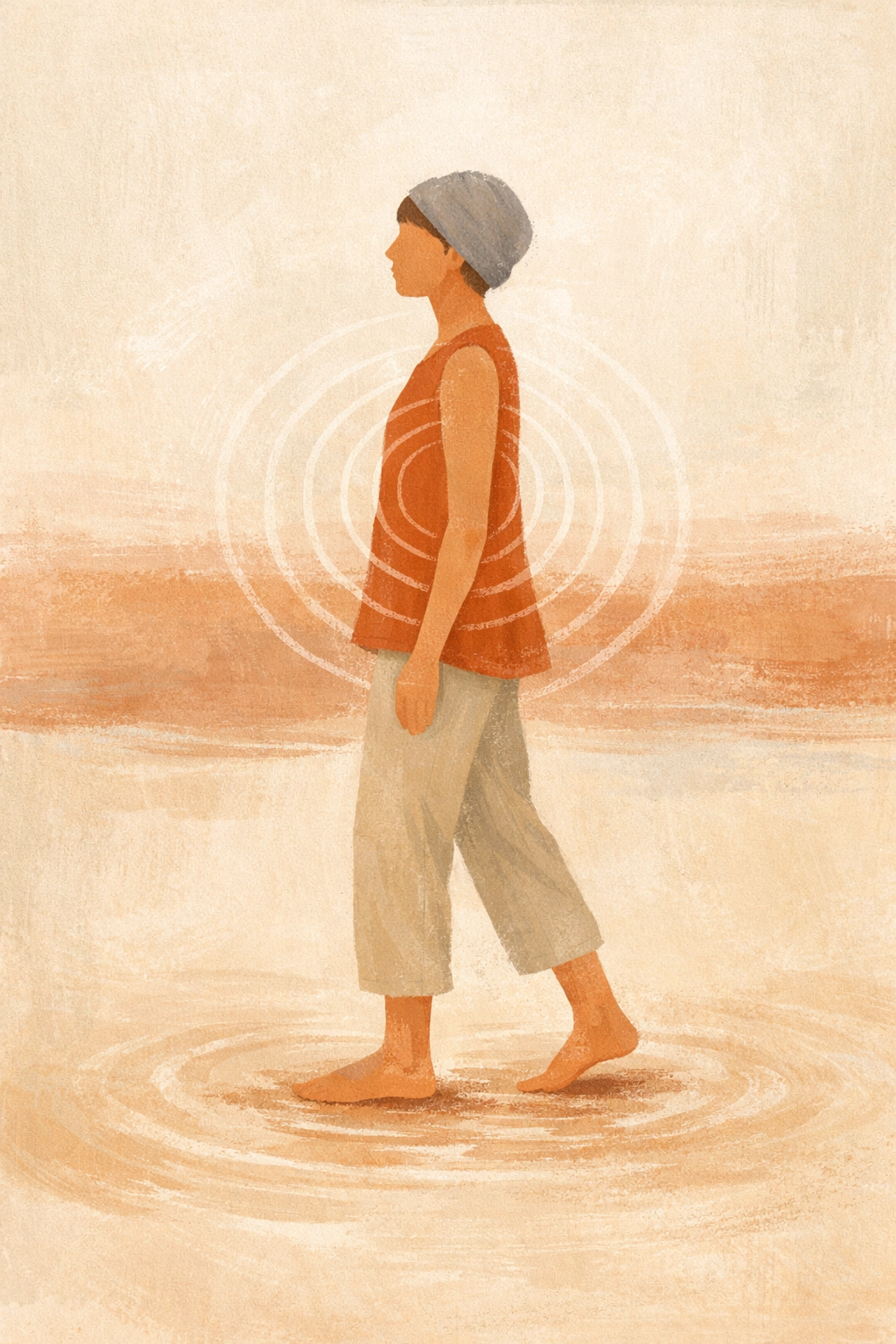
When you watch someone pour their whole self into a performance tonight, you're witnessing what healing can look like when it's embodied. When it's not just intellectual or verbal, but physical. When the body gets to tell the story.
And whether you're in Maryland watching from your couch, at a watch party with friends, or catching clips on your phone tomorrow, your body is part of that collective experience. Your nervous system is engaging. You're regulating (or dysregulating) along with millions of other people.
That's powerful. That's why we gather around art. That's why performance matters.
Bringing It Back Home
So yeah, tonight's about the music, the drama, the fashion, the speeches. But it's also a masterclass in embodied presence if you're paying attention.
Watch for the performers who seem totally grounded. Notice the ones who make you feel something shift in your own chest. Pay attention to how your body responds when someone takes the stage and just... is.
And then tomorrow, or the next day, when you're walking across campus or heading into work or just existing in your regular life: see if you can bring a little bit of that presence with you.
You don't need a Grammy to practice being fully in your body. You just need to notice. To breathe. To let yourself take up space.
The stage is wherever you are. And you're allowed to show up fully in it.
Enjoy the show tonight. 🤍
Comments