
How to Integrate Dance Movement Therapy With Traditional Psychiatric Care (And Why It Matters)
- Antoinette Goosby
- Dec 26, 2025
- 5 min read

You know that feeling when you're anxious and you pace around the room? Or when you're excited and you can't sit still? Your body is already talking to your mind, movement therapy just helps you listen to that conversation more intentionally.
If you're a young adult dealing with depression, anxiety, or trauma, or you're a new parent struggling with postpartum emotions, you might be wondering if there's more to mental health treatment than just therapy sessions and medication. The answer is yes, and it's probably more accessible than you think.
Movement therapy, especially dance movement therapy (DMT), isn't about being a good dancer or having perfect coordination. It's about recognizing that your mental health lives in your whole body, not just your head. And when you combine it with traditional psychiatric care, something pretty amazing happens.
Your Body Keeps the Score (And Dance Movement Therapy)
Here's what most people don't realize: when you're depressed, it becomes incredibly hard to engage with traditional exercise or even talk therapy. Your body feels heavy, your energy is low, and sometimes you just can't find the words to explain what you're feeling.
Movement therapy meets you exactly where you are emotionally. Instead of forcing you to "just exercise" or "just talk about it," it creates a bridge between your physical sensations and your emotional experience. You might start a session feeling numb and disconnected, but through gentle movement, you begin to notice what your body is actually holding.

For new parents especially, this is huge. You're carrying so much in your body: physical changes from pregnancy and birth, sleep deprivation, hormonal shifts, plus all the emotional weight of caring for a tiny human. Traditional therapy might help you process these feelings, but movement therapy helps you literally move them through your system.
Why Dance Movement Therapy Actually Works
It accesses emotions beyond words. You know those moments when you feel something but can't quite name it? Movement therapy creates what researchers call "a body-mind emotional connection" that lets you explore feelings that are difficult to express verbally. This is especially powerful for trauma survivors who might feel stuck or disconnected from their emotions.
It breaks through depression's physical barriers. When you're depressed, your movement repertoire often shrinks. You might notice you're moving more slowly, taking up less space, or avoiding certain movements altogether. DMT gently expands your range of motion and, with it, your emotional flexibility.
It's naturally social without being overwhelming. Many young adults struggle with isolation, especially during major life transitions. Movement therapy typically happens in small groups (4-7 people), which provides connection without the pressure of having to perform or be "on" socially.
It puts you back in control. Whether you're dealing with anxiety, trauma, or postpartum challenges, movement therapy gives you choices. You decide how you want to move, what feels safe, and how much you want to share. This rebuilds your sense of agency in a world that might feel out of control.
How Dance Movement Therapy Actually Works With Your Regular Treatment
The beautiful thing about movement therapy is that it doesn't replace your current mental health care: it enhances it. Think of it like adding another tool to your toolkit.
If you're seeing a psychiatrist for medication management and a therapist for talk therapy, adding movement therapy creates a three-dimensional approach to healing. Your medication helps stabilize your brain chemistry, talk therapy helps you process and understand your experiences, and movement therapy helps you physically integrate and release what you're working through.
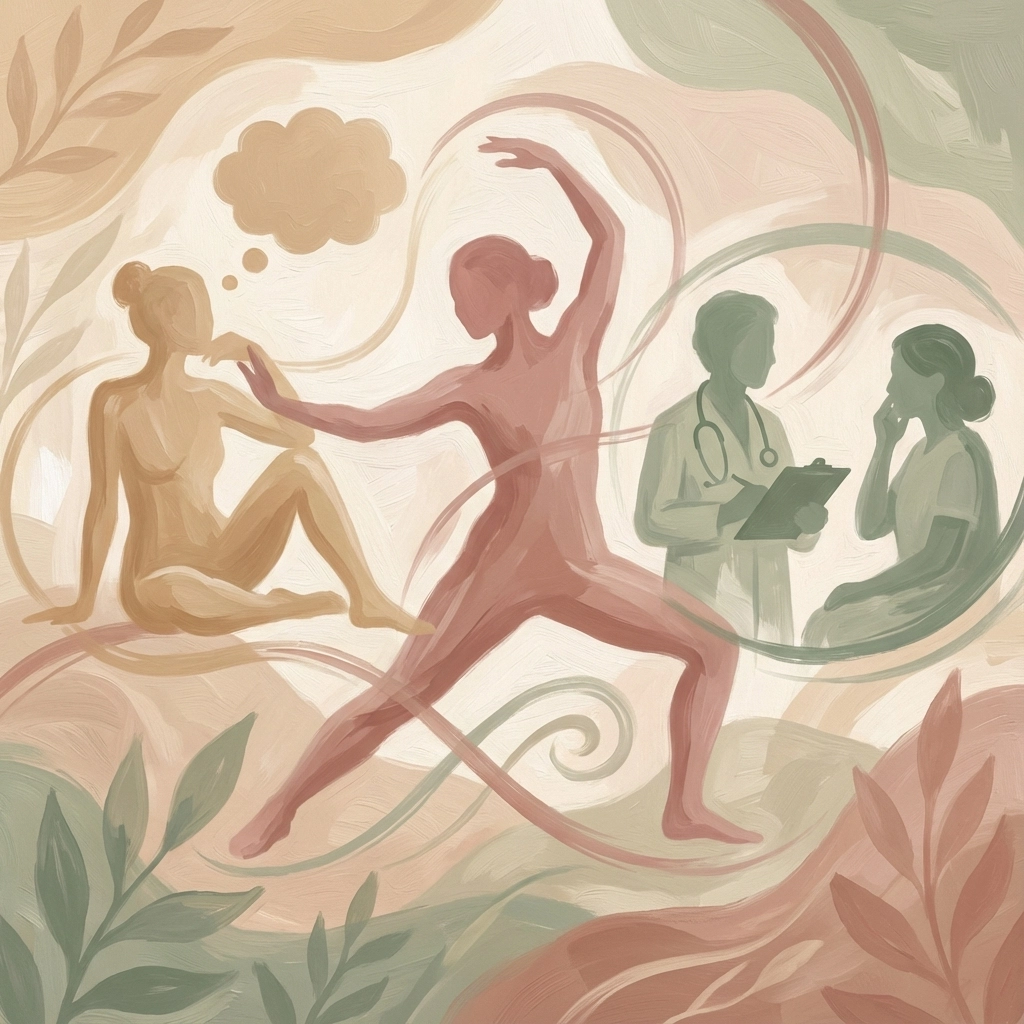
Here's what this might look like in practice: You have a therapy session where you talk about feeling anxious about returning to work after maternity leave. Later that week, in movement therapy, you notice that when you think about work, your shoulders tense up and your breathing gets shallow. Through guided movement, you learn to recognize these physical signs of anxiety and develop body-based coping strategies.
What a Real Session Looks Like
Forget any images you have of formal dance classes. A typical movement therapy session is much more low-key and accessible. Most sessions follow a gentle structure:
Check-in and discussion (20-30 minutes): You talk about how you're feeling, what's been challenging, what you'd like to explore. No pressure to share more than feels comfortable.
Movement warm-up and exploration (30-40 minutes): This might start with simple stretching or breathing exercises. The therapist might invite you to move in ways that express how you're feeling, or guide the group through exercises that help you notice different parts of your body.
Reflection and integration (15-20 minutes): You sit and talk about what you noticed during the movement portion. What felt good? What was challenging? What surprised you?
The key is that everything is invitation-based. If something doesn't feel right, you can modify it or just observe. The trained movement therapist creates a safe container where you can explore without judgment.
Special Benefits for Young Adults and New Parents
For college students and young adults: This life stage is all about identity formation and figuring out who you are in the world. Movement therapy helps you literally embody different aspects of yourself and practice being authentic in your body. It's also incredibly helpful for social anxiety, depression, and the general overwhelm of transitioning into adulthood.
For new parents: Your body has been through massive changes, and movement therapy helps you reconnect with yourself as more than just "the person who takes care of the baby." It's also a practical way to work through birth trauma, postpartum depression, and the weird disconnect many new parents feel from their changed bodies.
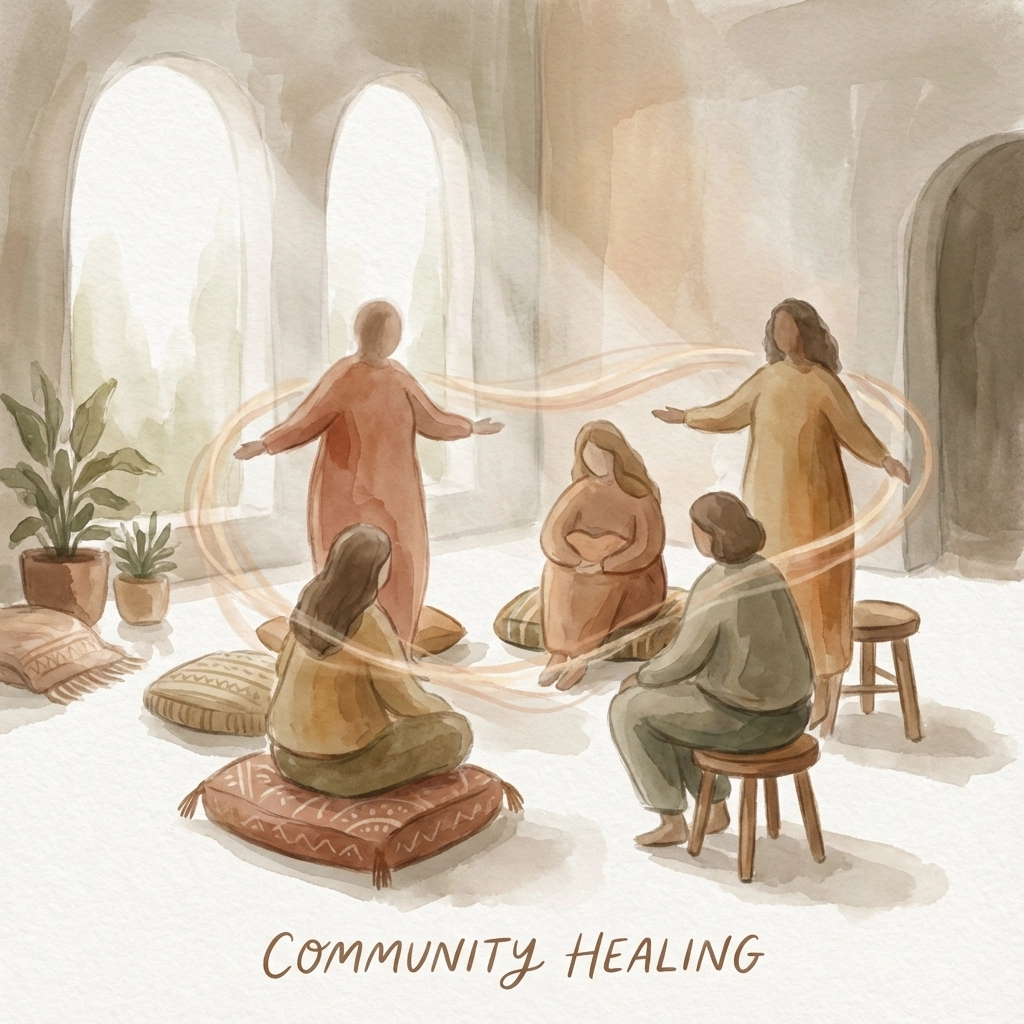
In Maryland specifically, where seasonal changes can affect mood and where many young professionals are dealing with high-stress environments, movement therapy provides a year-round way to stay connected to your body and manage stress physically.
Getting Started: What You Need to Know
You don't need any dance experience, special clothes, or particular level of fitness. Most movement therapy happens in comfortable clothes that let you move freely: think yoga pants and a t-shirt, not leotards and tights.
The most important thing is finding a qualified dance/movement therapist who understands trauma-informed care and can work collaboratively with your existing mental health team. A good movement therapist will want to know about your current treatment and will communicate with your other providers (with your permission) to make sure everyone's on the same page.
Making It Work With Your Life
One of the biggest barriers people mention is time: how do you fit another appointment into an already packed schedule? Many movement therapy programs are designed with this in mind, offering evening or weekend groups, or even online sessions that you can do from home.
Some people start with individual sessions to get comfortable with the approach, then transition to group work. Others jump right into groups because they crave the social connection. There's no wrong way to begin.
The Bottom Line
Your mental health isn't just happening in your head: it's a whole-body experience. When you're anxious, your body reflects that. When you're depressed, you feel it physically. And when you're healing, your body needs to be part of that process too.
Movement therapy doesn't require you to be graceful or coordinated. It just requires you to be curious about the connection between how you feel and how you move through the world.
If you're in Maryland and you're curious about integrating movement therapy with your current mental health care, know that this isn't some fringe treatment: it's an evidence-based approach that's been helping people for decades. You deserve a mental health treatment plan that honors all of you, not just your thinking mind.
Ready to explore how movement therapy might fit into your healing journey? The conversation starts with a simple question: How is your body feeling right now as you read this? That awareness is already the beginning of body-mind integration.
Comments