
Telepsychiatry in Maryland: 5 Things Your PMHNP Wants You to Know Before 2026
- Antoinette Goosby
- Dec 30, 2025
- 5 min read

Let's be real, when it comes to your mental health care, the last thing you want is confusion about whether you can keep your appointments or if your medications will be affected by changing regulations. As we're wrapping up 2025 and heading into 2026, there's been a lot of noise about telepsychiatry changes that might have you wondering: "Will I still be able to get my ADHD meds through telehealth?" or "Do I need to start traveling to see my psychiatrist in person now?"
Here's the good news: You can take a deep breath.
As a holistic PMHNP practicing in Maryland, I want you to have the straight facts about what's actually changing (and what's staying the same) so you can focus on what really matters, your mental wellness.
1. Your Controlled Substance Prescriptions Are Safe Through 2026
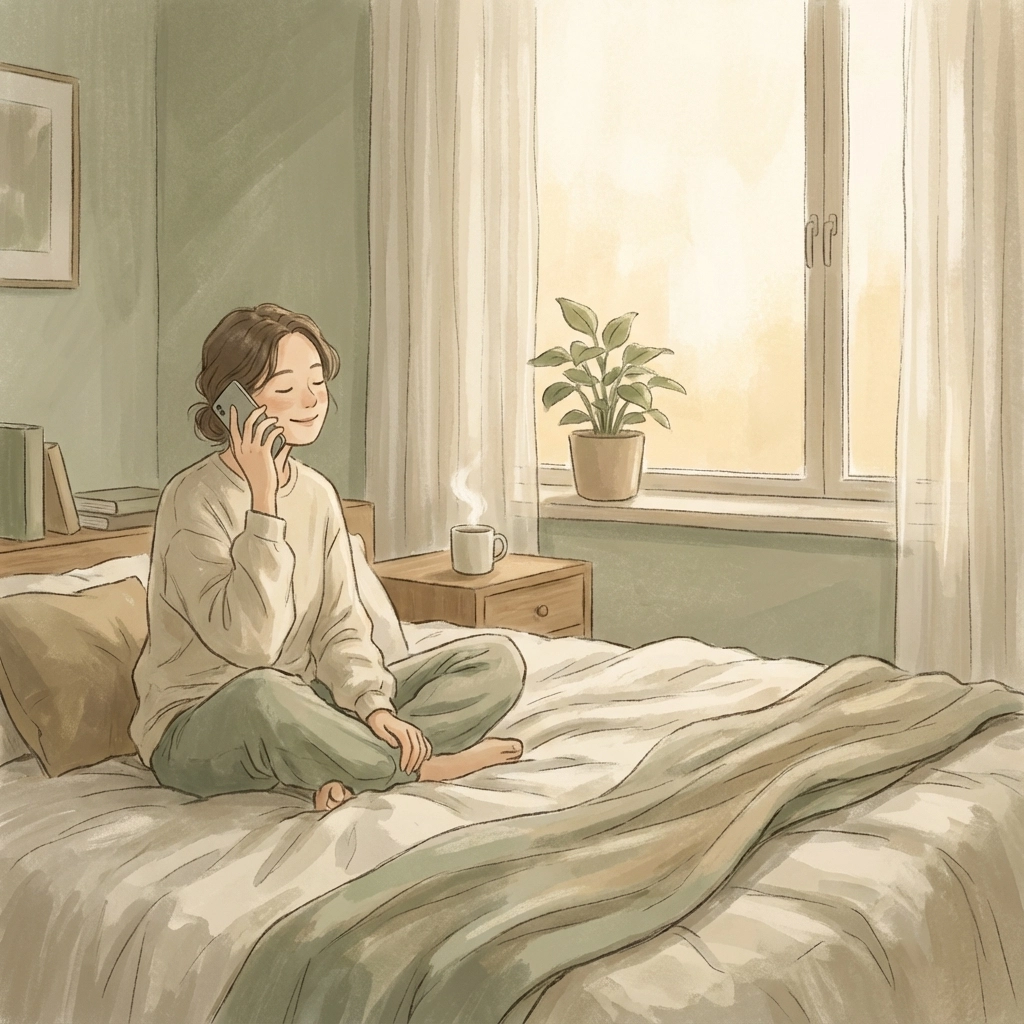
This is probably the biggest concern I've been hearing from clients lately, especially college students managing ADHD or young parents dealing with anxiety. The DEA just issued their fourth temporary extension for telehealth prescribing of controlled substances, which means your care can continue uninterrupted through December 2026.
What does this actually mean for you? If you're currently getting medications like Adderall, Klonopin, or other controlled substances through telepsychiatry, nothing changes. You don't need to suddenly start scheduling in-person visits just to maintain your prescriptions.
This extension is huge because it recognizes what we've all learned over the past few years, that quality psychiatric care doesn't always require you to sit in a physical office. Sometimes the most healing environment is your own space, where you feel comfortable being vulnerable about your mental health struggles.
At Inside and Out Psychiatry, this means we can continue offering the same comprehensive, holistic approach to your care that you've come to expect, without the added stress of worrying about prescription continuity.
2. Audio-Only Sessions Are Here to Stay in Maryland
Remember when everyone was scrambling to figure out video calls at the beginning of the pandemic? Well, Maryland just made things easier for you. The state's Preserve Telehealth Access Act of 2025 made audio-only telehealth services permanent: no more expiration dates.
This might sound like a small thing, but it's actually pretty revolutionary. Sometimes you're having a rough day and the thought of being on camera feels overwhelming. Maybe you're a new parent dealing with postpartum anxiety and you'd rather talk while walking around your house with a fussy baby. Or perhaps you're a college student calling between classes from your car.
Audio-only sessions give you the flexibility to access mental health care when and how you need it most. As a maryland psych np who practices holistically, I've seen how removing barriers like "camera required" can make the difference between someone getting help and someone avoiding it altogether.
The beauty of this change is that it acknowledges different comfort levels and accessibility needs. Not everyone has reliable internet for video, and not everyone feels comfortable being seen during vulnerable moments.
3. Some New Patients Will Need In-Person Visits (But Don't Panic)

Here's where things get a little more nuanced, but I promise it's not as scary as some of the headlines make it sound.
If you're a new Medicare patient, you'll need an in-person visit within six months before your first telehealth session, and then at least one in-person visit every 12 months after that. Starting January 1, 2026, certain federally qualified health centers will have similar requirements.
But here's what this doesn't mean:
It doesn't affect most young adults and college students (you're likely not on Medicare)
It doesn't mean telehealth is going away
It doesn't apply to established patients who already have a relationship with their provider
The reality is that most of my clients: young professionals, college students, new parents: won't be affected by these specific changes. And for those who are, one in-person visit per year isn't exactly a huge burden, especially when it's balanced against the convenience of 11 other months of flexible telehealth access.
Think of it this way: even in a holistic psychiatry approach, sometimes there's value in meeting face-to-face. Body language, physical presence, and in-person connection can add another layer to therapeutic work, especially when building a new therapeutic relationship.
4. More Flexibility for Pain Management and Mental Health
This one's particularly relevant if you're dealing with both chronic pain and mental health challenges (which, let's be honest, often go hand in hand). Maryland's HB 869 now allows practitioners to prescribe Schedule II medications for pain management through telehealth when there's an established relationship and appropriate in-person visits have occurred.
Why does this matter for mental health? Because mental wellness isn't just about your brain: it's about your whole body. If you're a new parent dealing with both postpartum depression and chronic back pain from pregnancy, or a college student managing both anxiety and chronic headaches, having integrated care options makes a massive difference.
As someone who practices holistic psychiatry, I see this as recognition that mental and physical health are deeply interconnected. Sometimes addressing physical pain is a crucial part of mental health treatment, and vice versa.
This flexibility means fewer appointments, less running around between different providers, and more integrated care that actually makes sense for your life.
5. Interstate Care Is Now Available
Here's something really cool that flew under the radar: Maryland's social work interstate compact now allows licensed practitioners to provide services across state lines. This might not sound immediately relevant, but think about it: how many times have you or someone you know had to interrupt mental health care because of a move?
Maybe you're a college student who goes to school in Maryland but spends summers in another state with your family. Maybe you're in the military or have a job that requires travel. Maybe you're dealing with a family crisis and need to spend extended time caring for a relative in another state.
This change means your mental health care doesn't have to stop just because you cross state lines. Continuity of care is huge for mental wellness: starting over with a new provider every time your location changes can be exhausting and counterproductive.
For young adults especially, who often have more transient living situations, this kind of flexibility can be the difference between maintaining consistent mental health support and falling through the cracks during transitions.
What This All Means for Your Care at Inside and Out Psychiatry
The bottom line? These changes actually expand your options rather than limiting them. You can continue accessing the same quality, holistic mental health care that addresses your whole person: not just symptoms.
Whether you prefer in-person sessions, video calls, or audio-only conversations, whether you need medication management or therapy or both, whether you're dealing with anxiety, depression, ADHD, or eating disorder recovery, the goal remains the same: meeting you where you are and supporting your mental wellness in whatever way works best for your life.
As we head into 2026, I'm optimistic about what these changes mean for mental health accessibility in Maryland. They reflect a growing understanding that effective psychiatric care needs to be flexible, person-centered, and responsive to real-world needs.
If you have questions about how any of these changes might affect your specific situation, don't hesitate to reach out. Mental health care should reduce stress in your life, not add to it: and that includes understanding the logistics of accessing care.
Your mental wellness matters, and now you have more options than ever to prioritize it in a way that actually fits your life.
Comments