
The Ultimate Guide to Affirming Psychiatric Care: Everything Maryland's Young Adults Need to Know in 2026
- Antoinette Goosby
- Jan 10
- 6 min read

Let's be honest: finding mental health care that actually gets you can feel impossible. You're tired of providers who make you feel like you need to translate your entire identity just to get basic help. You want someone who understands your background, respects your experiences, and doesn't make you feel like you're broken for existing as yourself.
If you're a young adult in Maryland looking for psychiatric care that truly affirms who you are, this guide is for you. As a holistic psychiatric nurse practitioner and dance movement therapist, I've seen firsthand how the right kind of care can be life-changing: and how the wrong kind can do real harm.
What Does "Affirming Psychiatric Care" Actually Mean?
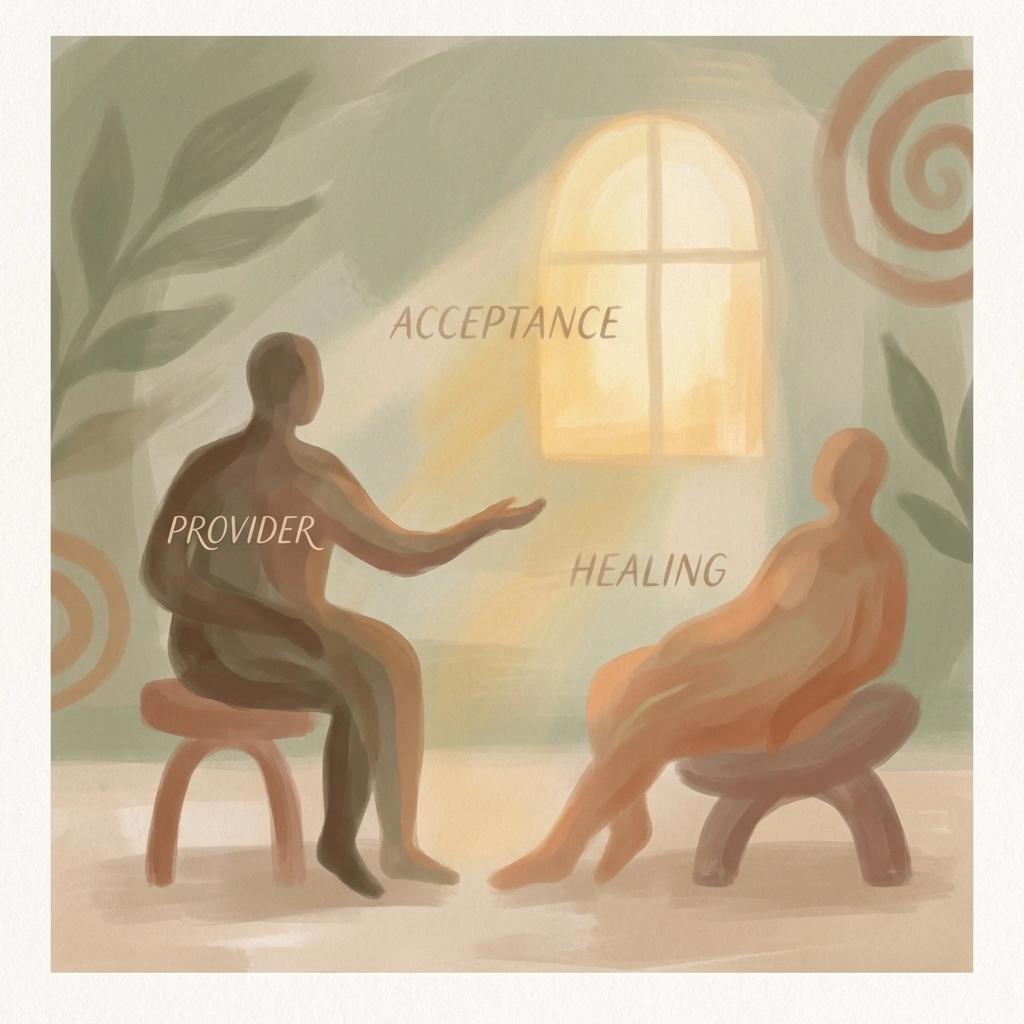
Affirming psychiatric care goes way beyond just being "nice" or "tolerant." It means your mental health provider actively validates your identity, experiences, and cultural background as strengths rather than problems to fix.
Here's what truly affirming care looks like:
Your provider sees you as a whole person, not just a collection of symptoms. They understand that your mental health doesn't exist in a vacuum: it's connected to your family dynamics, cultural background, financial stress, experiences with discrimination, and everything else that makes you you.
They don't pathologize your identity. Being LGBTQ+, having immigrant parents, practicing a non-Christian religion, or coming from a different socioeconomic background aren't mental health disorders. An affirming provider knows this.
They adapt their approach to fit you, not the other way around. Maybe traditional talk therapy isn't your thing, but movement-based interventions help you process emotions. Maybe you need to include family members in your treatment, or maybe you need space from them. Good providers meet you where you are.
Why This Matters So Much in Maryland Right Now
Maryland has some concerning mental health statistics that hit young adults particularly hard. We rank 5th nationally for serious suicidal ideation among youth aged 12-17. That's not a coincidence: it reflects real gaps in accessible, culturally responsive care.
Here's what's happening in our state that makes finding affirming care both more urgent and more challenging:
The provider shortage is real. Maryland just implemented a temporary moratorium on new Medicaid behavioral health provider enrollments through June 2026 in major counties including Baltimore City, Baltimore County, Montgomery County, and Prince George's County. This means fewer new providers are entering the system right when we need them most.
College and career transitions are hitting differently. The young adults I work with are dealing with unprecedented levels of uncertainty about their futures, student debt, housing costs, and job market pressures. Traditional mental health approaches often don't address these systemic stressors.
Cultural communities need culturally informed care. Maryland's diversity is one of our strengths, but it also means many young adults need providers who understand their specific cultural context: whether that's being first-generation American, navigating family expectations around mental health, or dealing with discrimination.
What to Look For in an Affirming Provider
When you're researching potential providers, here are the green flags that signal they're likely to provide truly affirming care:
They Ask the Right Questions
An affirming provider will ask about your pronouns, cultural background, family dynamics, and what matters most to you in treatment. They don't assume they know your story based on how you look or present.
They Talk About Root Causes
Instead of just treating symptoms, they want to understand what's contributing to your mental health challenges. Are you dealing with family pressure? Discrimination at work or school? Financial stress? Good providers understand that these aren't just "external factors": they're central to your wellbeing.
They Offer Multiple Treatment Approaches
Cookie-cutter treatment doesn't work for everyone. Look for providers who offer various approaches: maybe that's traditional therapy combined with medication, or holistic approaches that include movement, mindfulness, or creative expression.
They're Transparent About Their Own Limitations
A good provider will tell you if they're not the right fit for your specific needs and help you find someone who is. They don't try to be everything to everyone.

Red Flags to Absolutely Avoid
Trust your gut. If a provider does any of these things, it's okay to find someone else:
They focus only on "fixing" you without exploring context. If they immediately want to medicate without understanding your full situation, or if they seem more interested in making you "normal" than helping you thrive as yourself, that's a problem.
They dismiss your cultural or identity concerns. Comments like "I don't see color" or "we're all the same inside" might sound nice, but they actually erase the real impact of your experiences.
They seem uncomfortable with your identity or background. You shouldn't have to educate your provider about basic aspects of who you are.
They pressure you into treatment approaches that feel wrong. Whether it's pushing medication you're not comfortable with or insisting on family involvement when that feels unsafe, good providers respect your autonomy.
Navigating Maryland's Mental Health System
Here's the practical stuff you need to know about accessing care in Maryland:
Understanding Your Options
Outpatient therapy and psychiatry is what most people think of: regular appointments with a therapist, psychiatric nurse practitioner, or psychiatrist.
Intensive Outpatient Programs (IOP) and Partial Hospitalization Programs (PHP) provide more intensive support while you continue living at home. These can be great if you need more than weekly therapy but don't require inpatient care.
Transition Age Youth (TAY) Programs specifically serve young adults ages 18-25 with psychiatric diagnoses, focusing on education, employment, and social skills development.
Insurance and Financial Considerations
Don't assume you can't afford care. Many providers offer sliding scale fees, and Maryland has expanded mental health coverage requirements. If you're on your parents' insurance, you can often access mental health services confidentially.
Medicaid and many insurance plans now cover mental health treatment at parity with physical health care. This includes both therapy and psychiatric services.
Finding Providers Who Get It
Start with referrals from people you trust, but don't stop there. Look at provider websites and social media to get a sense of their approach. Do they talk about cultural competency? Do they mention working with young adults specifically?
Many affirming providers will offer brief consultation calls to help you determine if they're a good fit before you commit to an appointment.

The Holistic Approach: Why Your Whole Self Matters
As someone who combines traditional psychiatric care with dance movement therapy, I've seen how powerful it can be when providers address your whole person, not just your brain chemistry.
Your mental health is connected to how you move through the world, literally. The way you hold tension in your body, how you express emotions through movement, and your relationship with your physical self all impact your psychological wellbeing.
This is especially important for young adults who might be dealing with:
Body image concerns
Stress from academic or work pressures
Identity development and self-expression
Trauma responses that live in the body
Cultural disconnection from traditional talk therapy approaches
A holistic approach might include movement therapy, mindfulness practices, attention to nutrition and sleep, and understanding how your environment affects your mental health.
What About Medication?
Let's address the elephant in the room. Many young adults have complicated feelings about psychiatric medication: maybe because of stigma, cultural beliefs, or past negative experiences.
Affirming psychiatric care means having honest conversations about medication without pressure or judgment. Sometimes medication is incredibly helpful. Sometimes it's not necessary. Sometimes it's part of a broader treatment plan that includes therapy, lifestyle changes, and other interventions.
The key is finding a provider who:
Explains options clearly without medical jargon
Respects your concerns and preferences
Monitors your response carefully
Adjusts treatment based on your feedback
Never makes you feel like you're "weak" for needing medication or "difficult" for preferring other approaches
Taking the Next Step
Here's how to actually move forward with finding affirming psychiatric care:
Start with one phone call or email. Don't try to research every provider in Maryland. Pick one that seems promising and reach out. Many providers offer brief consultations to see if you're a good match.
Prepare a few key questions. Ask about their experience with people from your background, their treatment philosophy, and what a typical treatment plan looks like.
Trust your instincts. If something feels off during your first appointment, it's okay to try someone else. You deserve to feel heard and respected.
Consider telehealth options. Many affirming providers in Maryland offer telehealth services, which can expand your options significantly.
You don't have to figure this out alone. The right provider will help you navigate not just your mental health, but also the practical aspects of accessing care in Maryland.
Your mental health matters, your identity matters, and you deserve care that honors both. It might take some time to find the right fit, but affirming psychiatric care is out there: and it's worth the effort to find it.
If you're looking for holistic, culturally responsive psychiatric care that includes innovative approaches like dance movement therapy, you can learn more about my practice here. Whether you work with me or find another provider who's right for you, the most important thing is that you take that first step toward getting the support you deserve.
Comments