
Addressing the 'Silent Epidemic': What Maryland's 2026 Legislative Session Means for Your Mental Health
- Antoinette Goosby
- Jan 15
- 5 min read

You've probably felt it, even if you haven't put words to it yet. That nagging sense that finding quality mental health care in Maryland feels impossibly hard. Maybe you've been on waitlists for months, or you've gotten 10-minute med checks that left you feeling more like a number than a person. Maybe your teenager is struggling, but every therapist you call isn't accepting new patients.
Here's the thing: you're not imagining it. Maryland is in the middle of what mental health advocates are calling a "silent epidemic", and it's not just about the usual suspects like anxiety and depression. It's about a healthcare system that's fundamentally broken when it comes to meeting people's mental health needs.
But here's some good news: Maryland's 2026 legislative session is finally addressing this head-on, and as a holistic psychiatric nurse practitioner who's been watching these trends closely, I want you to understand what's really happening, and what it means for you and your family.
The Numbers Don't Lie: Maryland's Mental Health Crisis is Real
Let me give it to you straight. Maryland has only about 34,600 behavioral health professionals, that's roughly half the number we actually need to meet demand. Think about that for a second. We're literally missing half the workforce required to take care of people's mental health.
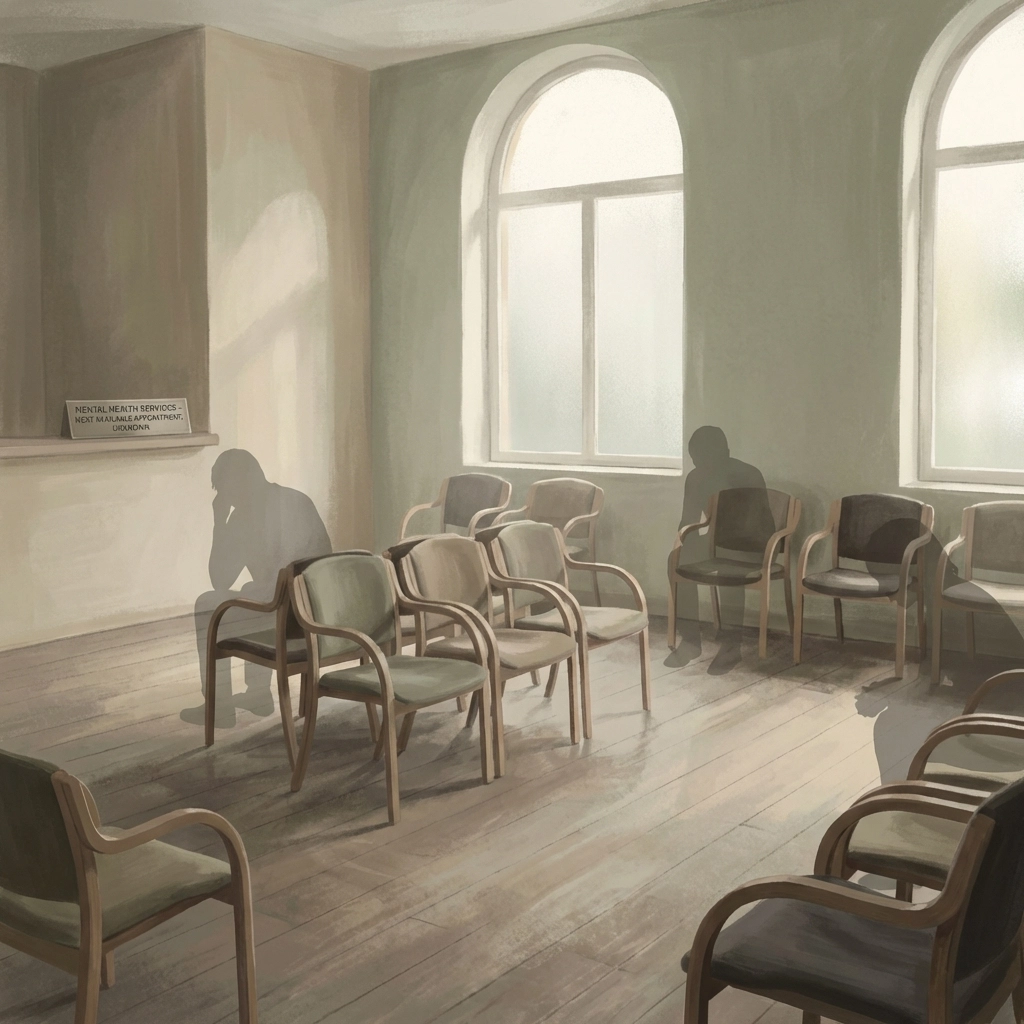
The Maryland Health Care Commission isn't sugarcoating it either. They estimate we need about 32,786 new behavioral health workers by 2028. That includes filling the current gap of approximately 18,222 workers plus an additional 14,565 to replace people who are retiring or leaving the field entirely.
What does this look like in real life? More than 1 million Marylanders live in communities without enough mental health professionals. Over 250,000 adults don't receive the mental health care they need each year. And if you're a parent, this one will hit you hard: about half of the 57,000 Maryland teens aged 12-17 with depression couldn't access treatment.
If you've been struggling to find care, or if your college student can't get counseling services, or if you're a new parent dealing with postpartum anxiety and can't find a provider, you're experiencing this crisis firsthand.
Maryland's $148 Million Response: What's Actually Being Proposed
Here's where things get interesting. Maryland lawmakers aren't just acknowledging the problem, they're putting their money where their mouth is. The Maryland Health Care Commission has recommended a $148.5 million investment over five years specifically designed to tackle the workforce shortage.
But this isn't just throwing money at the problem and hoping for the best. The plan is actually pretty smart:
Paid Training and Education: Instead of expecting people to rack up massive debt to become mental health professionals, the state wants to invest in paid training programs. This means more people can actually afford to enter the field.
Improving Job Quality: Let's be real, burnout is a huge reason why mental health providers leave the field. The investment includes efforts to make these jobs more sustainable and satisfying.
Streamlining Licensing: Ever wonder why it takes so long to get licensed as a mental health provider in Maryland? The bureaucratic maze is part of the problem, and there are plans to simplify this process.
Career Promotion: The state wants to actively promote careers in behavioral health, especially in underserved communities.

The 988 Crisis Line: Your New Mental Health Emergency Number
Remember how we all learned to dial 911 for emergencies? Well, now there's 988 for mental health crises. This isn't just a rebranding of the old suicide hotline: it's a complete reimagining of how we respond to mental health emergencies.
The legislative session is focusing on making sure this system is properly funded and accessible to all Marylanders. They're also working on improving how law enforcement responds to mental health crises and creating systems to divert mental health emergencies away from the criminal justice system entirely.
As someone who works with people in crisis regularly, I can tell you this is huge. Too many people end up in emergency rooms or jail cells when what they really need is compassionate, expert mental health care.
Making Mental Health Care More Equitable
Here's something that doesn't get talked about enough: mental health care in Maryland isn't equally accessible for everyone. The legislative priorities specifically call out the need to reduce racial health disparities and ensure culturally competent mental health services in underserved communities.
This hits close to home for me because so much of my work focuses on holistic, culturally responsive care. When I see statistics about how many people of color, immigrants, and LGBTQ+ residents struggle to find affirming mental health care, it reinforces why holistic approaches that honor the whole person are so essential.
Schools Getting More Mental Health Support
If you're a parent or student, this part is especially relevant. The legislative session is prioritizing expanded mental health services in K-12 public schools and higher education: regardless of whether a student has an IEP (Individualized Education Program).
This is massive. Right now, too many kids are falling through the cracks because they don't meet specific criteria for services, even when they're clearly struggling. The proposed changes would make mental health support more universally accessible in schools.
The Budget Reality Check
Now, here's where things get complicated. Maryland is facing a projected $1.4 billion shortfall for fiscal 2027. Even though lawmakers recently managed to cut about $1.6 billion in spending and generate $1.2 billion in new revenue, there are still tough choices ahead.
This budget crunch is happening at exactly the moment when Maryland needs to invest heavily in mental health infrastructure. It's like trying to fix a leaky roof during a thunderstorm: necessary but challenging.
The reality is that if federal funding becomes less reliable, counties might have to pick up more of the tab for mental health and substance use programs. This could create even more disparities between well-funded and under-resourced communities.
What This Means for You Right Now
So what does all this policy talk mean for your actual life? A few things:
If you're currently looking for mental health care: The workforce shortage explains why you're having such a hard time finding providers. It's not you, it's the system.
If you're a college student: Keep an eye out for expanded mental health services on your campus as these legislative priorities roll out.
If you're a parent: School-based mental health services might become more accessible for your kids, and the 988 crisis line provides a new resource if your family faces a mental health emergency.
If you're part of a marginalized community: The focus on equity and culturally competent care means there should be more effort to create services that actually understand and serve your needs.

Why I'm Watching These Trends So Closely
As a psychiatric nurse practitioner who takes a holistic approach to mental health care, I'm watching these legislative developments closely because they directly impact how I can serve my patients. The workforce shortage affects everyone: even private practice providers like me see the ripple effects when people can't access care elsewhere.
That's part of why I'm so passionate about integrating movement therapy with traditional psychiatric care. When there's a shortage of providers, the providers who are available need to be as effective and holistic as possible.
What's Coming in Part 2
This legislative session represents a turning point for mental health care in Maryland, but policy changes are only part of the story. In Part 2 of this series, we'll dive into why "fast care" isn't always better care, and how the push for quantity over quality in mental health services might be making the real problem worse.
We'll also explore what you can do right now to find quality, holistic mental health care that treats you as a whole person: not just a collection of symptoms to be managed.

The "silent epidemic" isn't just about not having enough therapists and psychiatrists. It's about a fundamental shift in how we think about mental health care, and Maryland's 2026 legislative session might just be the beginning of getting it right.
Until next time, remember: your mental health matters, and you deserve care that sees all of you.
Comments